
Second Home Visa Indonesia 2027 Fees & Rules
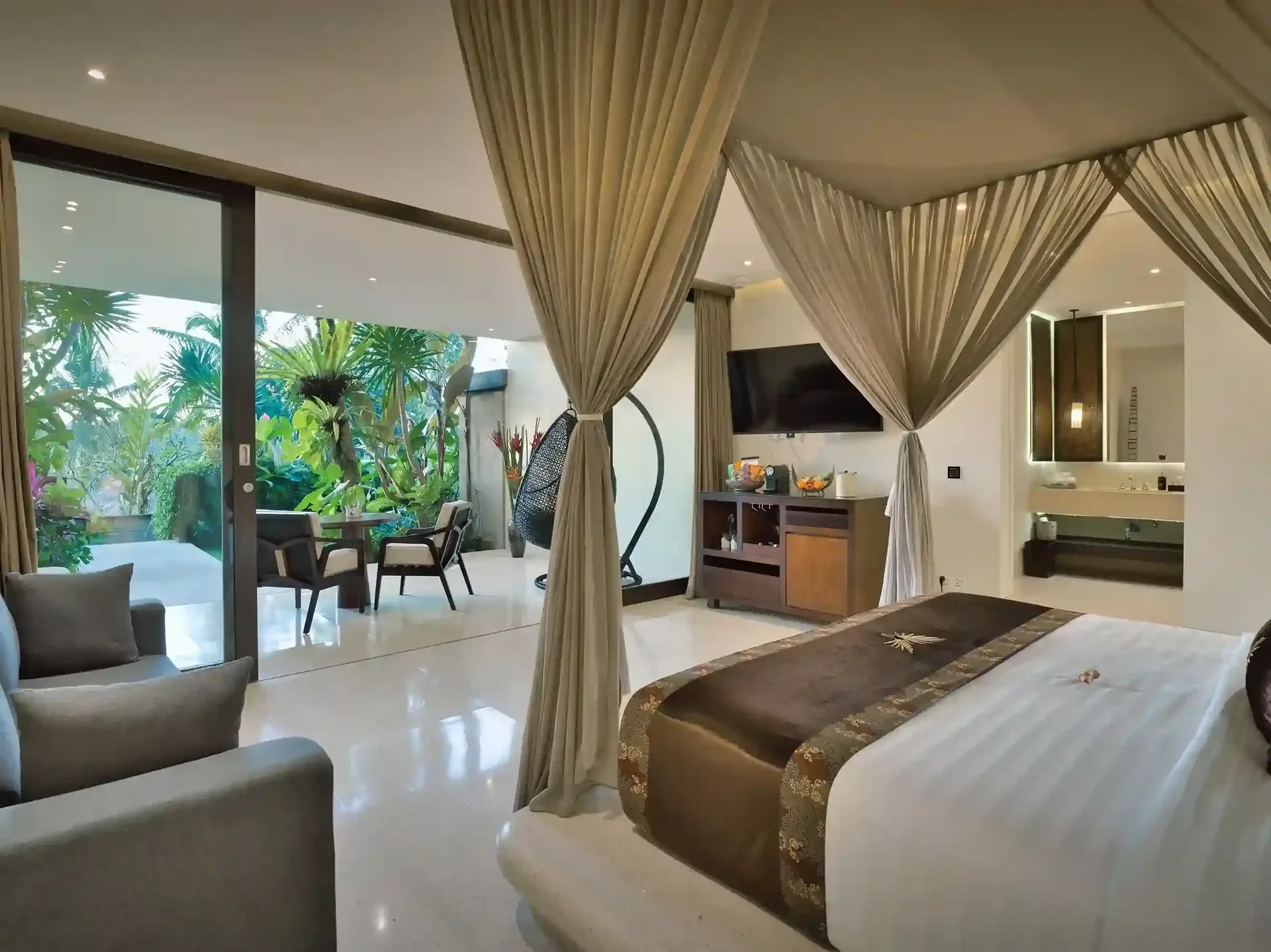
Indonesia’s Second Home Visa is designed for foreigners who want to stay long-term without running a local business, based on a qualifying deposit or investment rather than employment. As of 2027, the general structure remains deposit-based with family inclusion options, but exact fund thresholds, property rules, and fee schedules are set by immigration and should always be confirmed at the time of application rather than assumed from older figures.
Who is the Second Home Visa designed for?
This visa category is generally aimed at financially self-sufficient foreigners — retirees, remote professionals with independent income, or families relocating for lifestyle reasons — who want extended residence in Indonesia without needing a work permit or running a company. It differs from a working KITAS in that it is not tied to employment, and it differs from the Golden Visa in the way qualifying funds are typically structured and the residence purpose it is built around.
What funds or deposit does the Second Home Visa require?
Applicants generally need to demonstrate a qualifying deposit or fund placement that meets the government’s current threshold. Because this threshold is a specific figure set and periodically revised by Indonesian regulation, we do not quote a fixed number on this page — publishing an outdated figure risks misleading applicants who read this after a policy update. What we can tell you is that the funds requirement is verified through bank or financial documentation, and our team will confirm the current threshold with you directly before you commit any capital.
Can family members be included under one application?
In many cases, immediate family members — such as a spouse and dependent children — can be included as part of a Second Home Visa application, sharing the qualifying deposit rather than each needing a separate fund placement. The exact family inclusion rules, including age limits for dependent children and required proof of relationship, depend on current regulation and should be confirmed case by case. If your household includes extended family members, this is worth raising early in consultation rather than assuming automatic inclusion.
Is property ownership required, or is a deposit enough?
The Second Home Visa is generally structured around a financial deposit or investment placement rather than requiring property purchase, though some applicants choose to pair their visa application with property-related plans in Bali separately. Indonesia’s foreign property ownership framework is a distinct legal area from the visa itself, and conflating the two can lead to confusion — a Second Home Visa does not, by itself, grant freehold property ownership rights. We recommend treating visa eligibility and property plans as two separate conversations, both of which our team can help you think through.
How does the Second Home Visa compare to retirement options?
- Second Home Visa — deposit-based, longer validity, broader eligibility beyond retirement age.
- Retirement KITAS — typically has its own age and income requirements, renewed on a different cycle.
- Golden Visa — investment-based, often suited to those wanting a formal business or capital-market presence in Indonesia.
For a package overview built specifically around this category, see Bali Second Home program, or contact us directly to compare it against retirement-specific routes.
What fees should applicants expect?
Beyond the qualifying deposit itself, applicants should expect standard official government fees for visa processing, which are paid directly by the applicant and set by immigration rather than by any agent. If you engage Bali Visa Trusted for document assistance, our service fee is separate from the official government fee and is quoted transparently once we understand the complexity of your case — for example, whether multiple family members are included or additional documentation is needed. We do not publish fixed figures here because both official fees and case complexity vary.
| Element | What determines it |
|---|---|
| Qualifying deposit amount | Current government regulation, confirmed at application time |
| Family inclusion | Relationship proof and current eligibility rules |
| Official visa fees | Set by Indonesian immigration, paid by applicant |
| Service fee (if using an agent) | Case complexity, number of applicants, documentation needs |
Can the Second Home Visa be converted from a different visa category?
Some applicants already hold a different visa or KITAS when they decide the Second Home Visa is the better long-term fit, and ask whether conversion is possible without leaving Indonesia first. Conversion rules depend heavily on your current visa status, remaining validity, and nationality, and are not automatically guaranteed — immigration reviews each conversion request on its own merits. If you are currently on a Retirement KITAS or another long-stay permit and considering a switch, it is worth discussing your specific starting point with us before assuming a straightforward transition.
What proof of funds documentation is usually requested?
- Recent bank statements showing the qualifying deposit or fund balance.
- A letter or certificate from the issuing bank confirming the deposit, where required.
- Source-of-funds documentation, particularly for larger fund placements.
- Identification and family relationship documents if dependents are included.
Because financial documentation standards can vary by nationality and by the bank issuing the funds, we recommend confirming the exact format immigration expects before you submit anything, rather than assuming a generic bank statement will suffice.
How long does the review typically take?
Processing time depends on documentation completeness and the immigration office’s current caseload, and we do not guarantee a specific number of days, since this is entirely within immigration’s control rather than ours. Applicants who prepare bank statements, proof of funds, and family documentation thoroughly before submission generally avoid the delays that come from incomplete files.
Accuracy note
Indonesian immigration rules change over time and depend on nationality. Bali Visa Trusted provides document assistance only, and the final decision on any Second Home Visa application always rests with the Directorate General of Immigration of Indonesia. Eligibility, fund thresholds, and family inclusion are all verified case by case, and official fees are paid directly by the applicant.
Does the visa allow local employment?
Generally, the Second Home Visa is not designed as a work-authorization route, since its qualifying basis is financial self-sufficiency rather than local employment. If you intend to take up paid work with an Indonesian employer, a working KITAS tied to that employer is typically the more appropriate category rather than the Second Home Visa. Mixing purposes — holding a Second Home Visa while working locally without the correct permit — carries real compliance risk, so it is worth being precise about your intended activities when choosing a visa category rather than assuming flexibility that may not exist.
Discuss your Second Home Visa plan
If you are weighing the Second Home Visa against other long-stay routes, our team can confirm current thresholds and walk through documentation for your household. Reach us on WhatsApp at +62 811-2859-0000 or email [email protected].
Keep reading
Uncategorized
Indonesia Immigration Overstay Fines 2027
Overstaying, or remaining in Indonesia beyond the period your visa permits, carries a daily fine set by the government, not…
Uncategorized
Indonesia Visa Rule Updates 2027
Indonesian immigration rules are adjusted continually, and 2027 is no exception. Rather than quoting specific regulation numbers or articles that…
Uncategorized
Bali Tourist Visa Extension 2027: The Full Answer
Extending a tourist visa in Bali, whether a VOA/e-VOA or a B211 visit visa, can in principle be filed through…